
Home » Our Specialists »
Neurosurgeon in Łódź
Neurosurgery is a branch of medicine that deals with the diagnosis and treatment of nervous system disorders requiring surgical intervention. It includes diseases of the brain, spinal cord, and peripheral nerves.
Specialization Description
Many patients visiting the clinic do not know exactly what kind of doctor a neurosurgeon is and how their work differs from that of a neurologist. While a neurologist focuses on the conservative treatment of nervous system diseases, a neurosurgeon in Łódź assesses indications for surgical treatment and qualifies patients for procedures. A consultation includes a medical history, physical examination, and analysis of existing medical documentation and imaging results. Based on this, the specialist formulates recommendations and, if necessary, refers the patient for further diagnostics or to a facility that performs surgical treatment.
When to Seek Help?
The colloquial term head neurosurgeon stems from the fact that a significant portion of conditions treated in this field involve the brain and skull, although the specialist’s scope of work also includes pathologies of the spine and peripheral nerves. Many people delay seeing a doctor; however, an early diagnosis often allows for more effective treatment. It is worth consulting a neurosurgeon particularly if you experience the following symptoms:
- persistent headaches that do not subside despite treatment,
- chronic back pain radiating to the limbs,
- sensory disturbances, numbness, or muscle weakness,
- changes identified in imaging studies that require neurosurgical evaluation.
A consultation is the first step to determine whether symptoms require surgical treatment or if another approach will be sufficient. After conducting an examination, the specialist presents the patient with recommendations and a further action plan tailored to their situation.
Questions and Answers (FAQ)
A neurosurgeon deals with the surgical treatment of nervous system disorders, i.e., diseases of the brain, spinal cord, and peripheral nerves. During a consultation, they assess whether the patient’s symptoms require surgical intervention and, if necessary, qualify them for a procedure.
A neurologist diagnoses and conservatively treats nervous system diseases, while a neurosurgeon assesses indications for surgical treatment and qualifies patients for procedures. In many situations, the competencies of both specialists complement each other, and the patient benefits from their help at various stages of treatment.
A consultation does not mean that the patient will be qualified for surgical treatment. The specialist’s task is to assess whether the symptoms require surgical intervention or if conservative treatment by other specialists will be sufficient.
Neurosurgeon in Łódź
-

- Neurosurgeon in Łódź
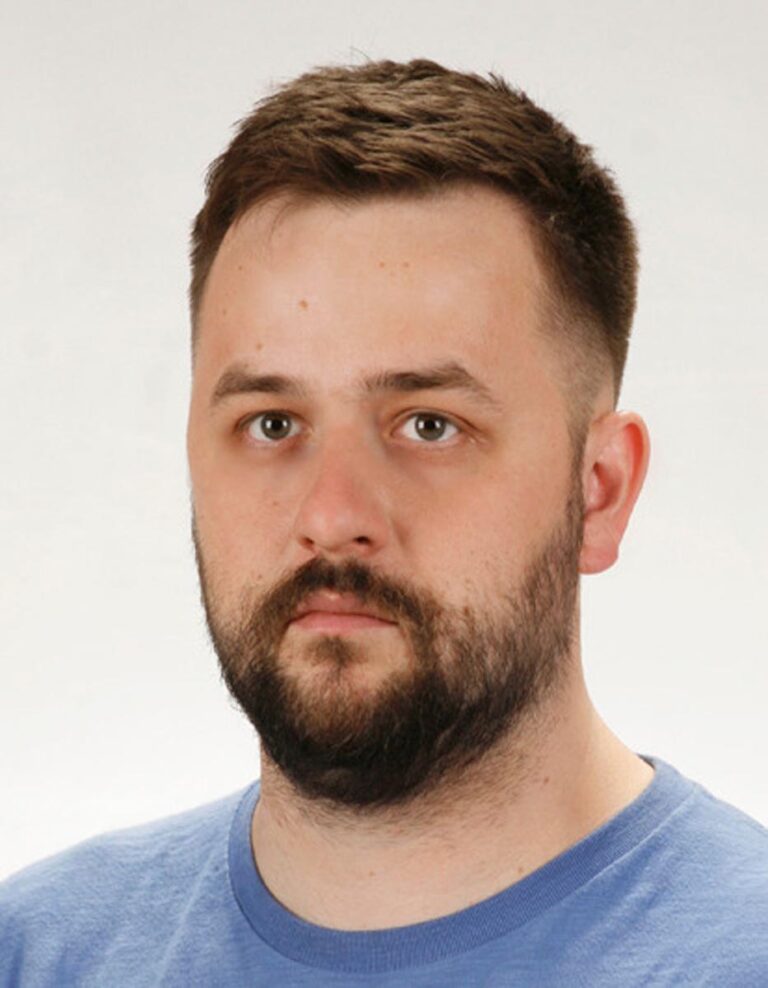
MD Paweł Skubel – Neurosurgeon
Sees: adults
individuals over 18 years of age
No similar specialists found.